Welcome to Tianzhen County Tonghang Grain Trade Co., Ltd!
Tel: +86-352-6981998 Mailbox: thx@tzhlm.com

NEWS
TONGHANG

Message feedback
If you have any questions, please leave your contact information, or contact us, thank you for your support and trust, we will be happy to provide you with quality products and services!
Measures for the Supervision of Grain Quality and Safety
Release time:
27 May,2024
Author:
Source:
Abstract
(Promulgated by Order No. 42 of the National Development and Reform Commission of the People's Republic of China on September 8, 2016, and effective as of October 8, 2016)
Chapter 1: The Total
Article 1In order to ensure grain quality and safety, safeguard the legitimate rights and interests of grain producers, operators and consumers, and strengthen the supervision and management of grain quality and safety, these measures are formulated in accordance with laws and regulations such as the the People's Republic of China Food Safety Law, the the People's Republic of China Law on the quality and Safety of Agricultural products, the the People's Republic of China seed Law, the regulations on the Administration of Grain reserves, the regulations on the Administration of Grain Circulation, and the decision of the State Council on strengthening Food Safety work.
Article IIThese Measures shall apply to grain quality and safety supervision activities; these Measures shall be observed in carrying out business activities such as grain purchase, storage, transportation, processing and sales.
The term "grain" as mentioned in these Measures refers to grains (including wheat, rice, corn, miscellaneous grains, etc.) and their finished grains, edible vegetable oils, oilseeds, beans and potatoes. Policy grain refers to the grain designated or entrusted by the government to purchase, store, process and sell grain operators, and give financial and financial policy support, including grain reserves. The term "processing" as mentioned in these Measures refers to the processing of policy-oriented grain. The term "business" as mentioned in these Measures refers to activities such as grain purchase, storage, transportation, policy-oriented grain processing, and raw grain and policy-oriented grain sales.
The entry-exit grain shall comply with the relevant provisions of entry-exit inspection and quarantine.
Where laws and administrative regulations provide otherwise, such provisions shall prevail.
Article IIIThe grain administrative departments at or above the county level shall, under the unified organization and coordination of the people's governments at the corresponding levels, be responsible for the supervision and management of grain quality and safety in the business activities of grain purchase, storage, transportation, processing and sales in their respective administrative areas.
Article 4Grain operators shall engage in grain business activities in accordance with relevant national laws, regulations, policies, grain quality standards and food safety standards, and bear the responsibility of the first responsible person for grain quality and safety. The state encourages the adoption and implementation of scientific quality management methods, inspection methods and advanced technologies, and continuously improves the level of grain quality and safety management and inspection.
The term "grain operators" as mentioned in these Measures refers to legal persons, other economic organizations and individual industrial and commercial households engaged in business activities such as grain purchase, storage, transportation, processing and sales.
In the process of grain management, it is strictly forbidden to be short, adulterate, and shoddy.
Article VThe grain industry association should strengthen industry self-discipline, guide grain operators to operate in accordance with the law, promote the construction of industry integrity, strengthen industry credit supervision, and publicize and popularize food quality and safety knowledge.
ARTICLE VIAny organization or individual has the right to put forward opinions and suggestions on grain quality and safety supervision to grain and other administrative departments, and report violations of laws and regulations on grain quality and safety. When receiving suggestions and reports, grain and other administrative departments shall study, investigate and deal with them in a timely manner in accordance with the procedures.
Chapter II Grain Quality and Safety Risk Monitoring
Article VIIImplementation of the purchase and storage of food quality and safety monitoring system. The national grain administrative department, in conjunction with relevant departments of the State Council, shall formulate and implement the national grain quality and safety risk monitoring plan in accordance with the requirements of ensuring grain quality and safety and promoting grain quality optimization. The provincial grain administrative department shall, with reference to the national plan and the specific conditions of the region, formulate and implement the grain quality and safety risk monitoring plan of the administrative region.
The main contents of food quality and safety risk monitoring include: quality level, internal quality, moisture content, sprouting, mold, etc., pesticide residues, mycotoxins, heavy metals and other harmful substances pollution used in the process of food production and storage.
After the grain administrative department is informed of the food quality and safety risk information, it should organize investigations, adjust the food quality and safety risk monitoring plan in a timely manner, and take risk prevention and control measures to minimize food quality and safety risks and food economic losses.
Article 8If the local grain administrative department discovers regional grain pollution, it shall deal with it in a timely manner in accordance with the treatment plan formulated by the local people's government.
Article IXThe grain administrative department at the provincial level shall submit the grain quality and safety risk monitoring plan, the monitoring results and the handling of the problems found to the state grain administrative department for the record, and notify the agricultural administration, health and family planning administration and food and drug supervision and administration at the same level.
Article XGrain administrative departments at or above the county level should publish regular grain quality monitoring information through the news media and government websites, guide grain purchases, and promote the production and marketing of high-quality grain. The release of food quality and safety monitoring information shall be implemented in accordance with the relevant laws and regulations of the state.
RELATED NEWS
27 May,2024
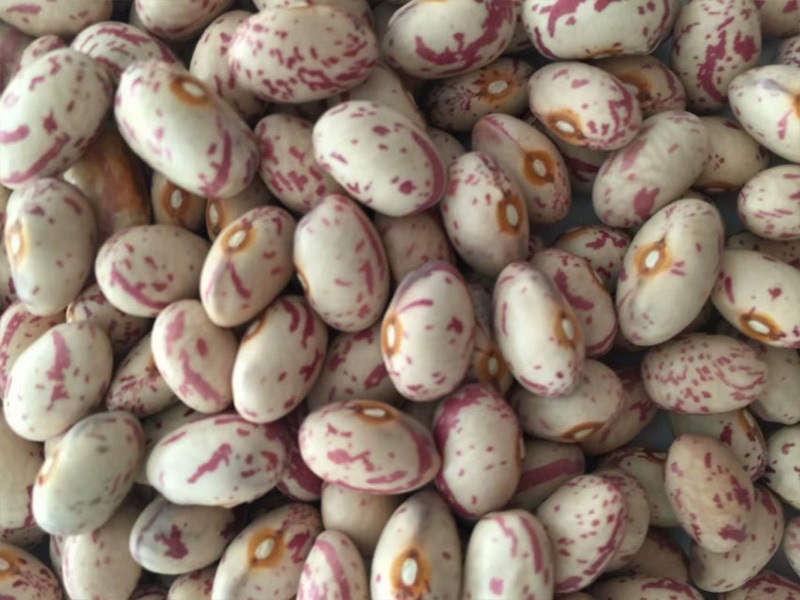
What should I pay attention to when storing grains?
Coarse grains, including all kinds of beans, corn, millet, etc., are an important part of our daily diet, with rich nutritional value and health functions. Because of its unique growing environment and harvesting characteristics, the storage of coarse cereals becomes an important task. Below we will detail the precautions for the storage of grains.

27 May,2024
What are the prospects for the development of the grain industry?
With consumers' pursuit of healthy diet and the increasing demand for diversified food, the miscellaneous grain industry has gradually emerged and shown broad development prospects. As one of the important food sources, coarse cereals have rich nutrients and unique taste, and are deeply loved by consumers. At the same time, its efficacy in health preservation and health care has also been recognized by more and more people, which has further promoted the development of the coarse cereals industry.
27 May,2024
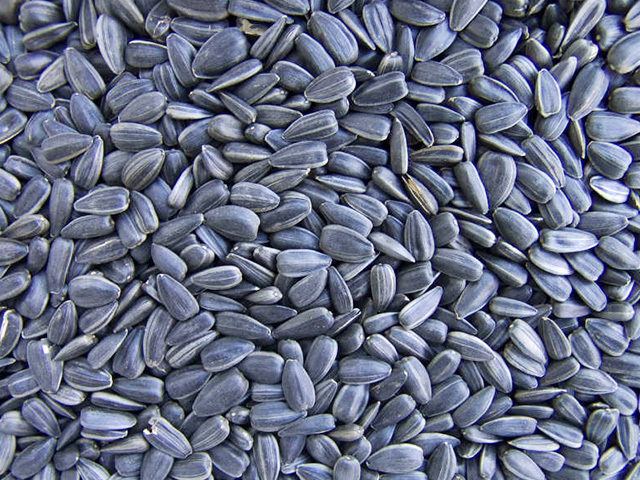
The climatic conditions required for growing grains
Climatic conditions for growing grain crops are essential to ensure healthy growth and good harvests of grain crops. Different grain crops have different requirements for climate, but in general, the impact of climate conditions on the growth of grains cannot be ignored. The following will detail the climatic conditions required for growing grains.
27 May,2024
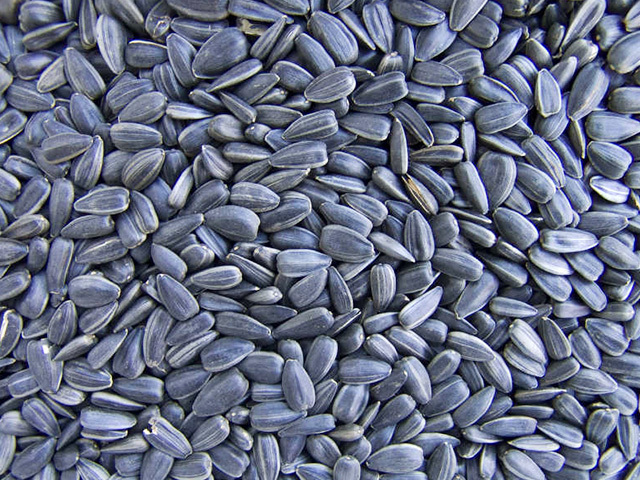
Food security is more important than Taishan
Editor's note: the national development and Reform Commission, the State Grain Administration and the Ministry of Finance recently jointly issued the construction plan for the security guarantee project of grain collection, storage and supply. This is the first national-level special plan for the construction of grain circulation infrastructure. The plan puts forward five major goals for food security and three main channels for grain outflow, and it is clear that a new warehouse capacity of 100 billion jin will be built before the end of this year.

10 Oct,2020
10 Oct,2020

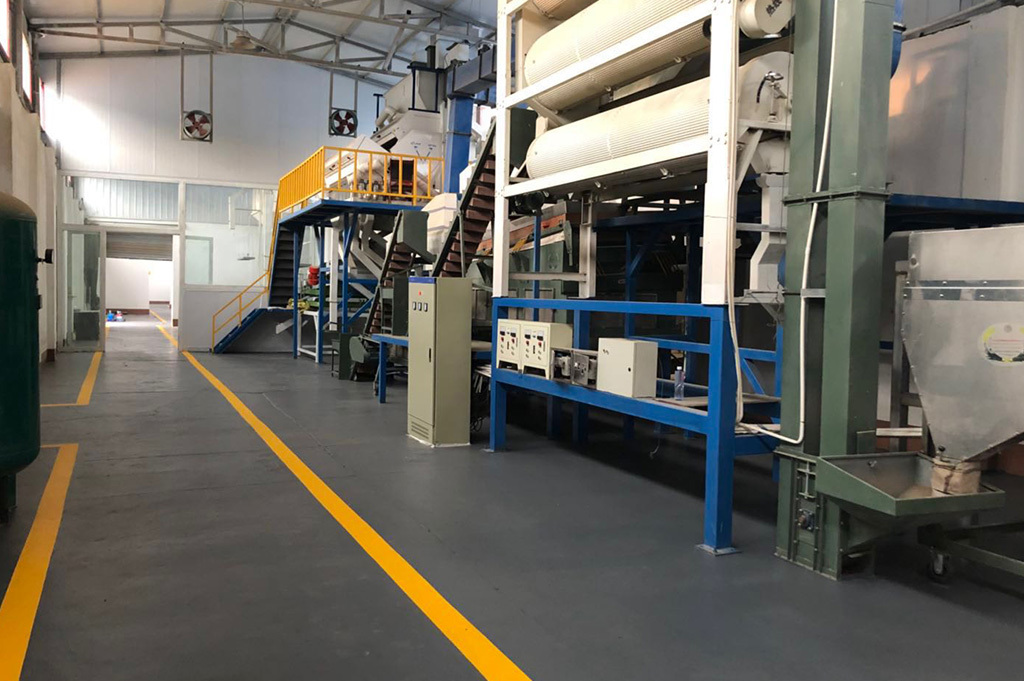
We are a collection of planting, acquisition, storage, processing, export as one of the small grain business enterprises,
The existing planting base is 200000 mu, with an annual production and processing capacity of 20000 tons and an annual sales income of more than 100 million yuan,
The company's annual average export earnings of more than 500 million US dollars, is a provincial and municipal leading export enterprises, China's quality integrity enterprises.
Message feedback
Contact Information
West Gate, Tianzhen County, Datong City, Shanxi Province
