Welcome to Tianzhen County Tonghang Grain Trade Co., Ltd!
Tel: +86-352-6981998 Mailbox: thx@tzhlm.com

NEWS
TONGHANG

Message feedback
If you have any questions, please leave your contact information, or contact us, thank you for your support and trust, we will be happy to provide you with quality products and services!
What should I pay attention to when storing grains?
Release time:
27 May,2024
Author:
Source:
Abstract
The Importance of Coarse Grain Storage and Its Precautions
Coarse grains, including all kinds of beans, corn, millet, etc., are an important part of our daily diet, with rich nutritional value and health functions. Because of its unique growing environment and harvesting characteristics, the storage of coarse cereals becomes an important task. Below we will detail the precautions for the storage of grains.
1. kept dry
The primary task of grain storage is to keep it dry. High humidity environment can easily lead to moldy grains, deterioration. Therefore, the storage location should choose a dry, well-ventilated place to avoid moisture and rain.
2. sunscreen
Ultraviolet rays in sunlight have a bactericidal effect on coarse cereals, but excessive sunlight may also cause fatty acids in coarse cereals to oxidize and affect their quality. Therefore, storage should avoid direct sunlight, but also ensure that the storage location has enough natural light.
3. anti-insect treatment
Pest is a big problem in the storage of coarse grain. Prior to storage, the grains should be treated against insects, such as using phosphine fumigation to kill potential eggs. During storage, natural repellents such as camphor balls can also be used appropriately.
4. temperature control
High temperatures can cause multigrain deterioration, so the temperature of the storage location should be kept in a moderate range. Avoid storing grains in hot, stuffy places, such as near the kitchen stove.
5. regular cleaning
Clean storage containers regularly to avoid moisture, mildew or deterioration of grains. When cleaning, pay attention to check the bottom and corners of the container to remove the spoiled grains and sundries.
6. reasonable packaging
Choosing appropriate packaging materials to seal the grains can effectively prevent air and moisture from entering. At the same time, it can also prevent the invasion of insect pests and rodents.
7. rotation storage
For long-term storage of coarse cereals, regular rotation should be carried out to ensure first-in, first-out and avoid quality degradation caused by long-term storage.
8. science and storage technology
With the development of science and technology, some advanced storage technologies such as modified atmosphere storage and vacuum storage have been gradually applied to the storage of grains. These technologies can effectively extend the shelf life of coarse cereals and maintain their quality.
In short, the storage of coarse grains needs to consider a variety of factors, including environment, temperature, humidity, pests and so on. Only by taking reasonable storage measures can the quality and safety of grains be ensured.
RELATED NEWS
27 May,2024
What should I pay attention to when storing grains?
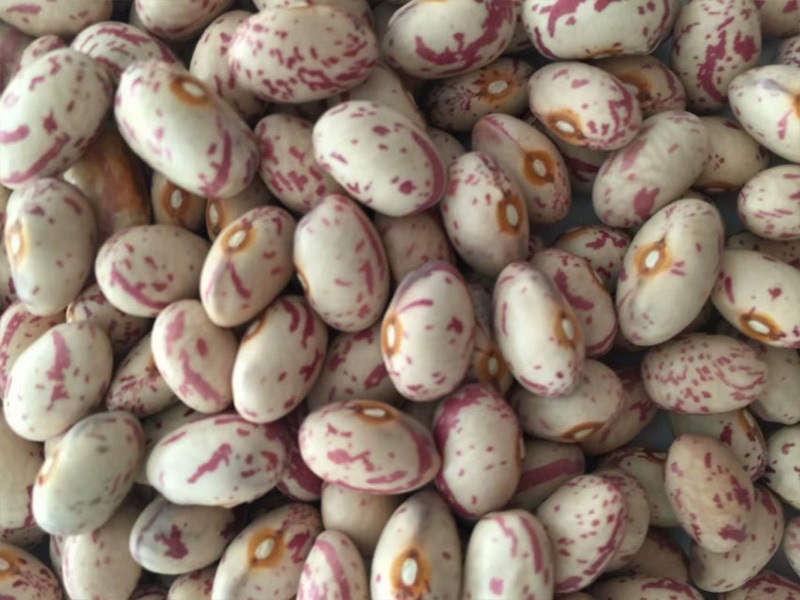
Coarse grains, including all kinds of beans, corn, millet, etc., are an important part of our daily diet, with rich nutritional value and health functions. Because of its unique growing environment and harvesting characteristics, the storage of coarse cereals becomes an important task. Below we will detail the precautions for the storage of grains.

27 May,2024
What are the prospects for the development of the grain industry?
With consumers' pursuit of healthy diet and the increasing demand for diversified food, the miscellaneous grain industry has gradually emerged and shown broad development prospects. As one of the important food sources, coarse cereals have rich nutrients and unique taste, and are deeply loved by consumers. At the same time, its efficacy in health preservation and health care has also been recognized by more and more people, which has further promoted the development of the coarse cereals industry.
27 May,2024
The climatic conditions required for growing grains
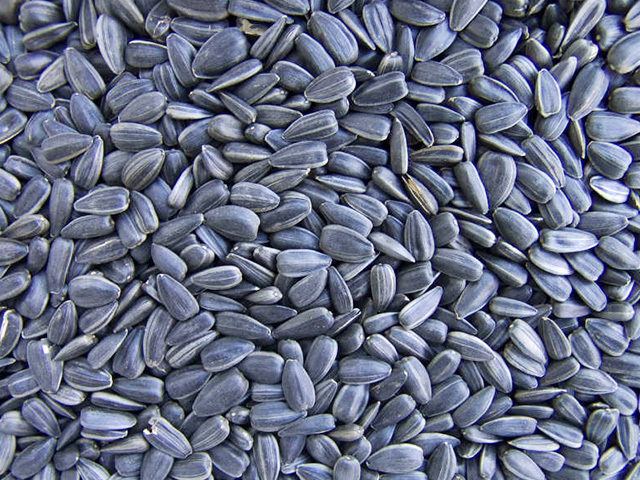
Climatic conditions for growing grain crops are essential to ensure healthy growth and good harvests of grain crops. Different grain crops have different requirements for climate, but in general, the impact of climate conditions on the growth of grains cannot be ignored. The following will detail the climatic conditions required for growing grains.
27 May,2024
Food security is more important than Taishan
Editor's note: the national development and Reform Commission, the State Grain Administration and the Ministry of Finance recently jointly issued the construction plan for the security guarantee project of grain collection, storage and supply. This is the first national-level special plan for the construction of grain circulation infrastructure. The plan puts forward five major goals for food security and three main channels for grain outflow, and it is clear that a new warehouse capacity of 100 billion jin will be built before the end of this year.

10 Oct,2020
10 Oct,2020

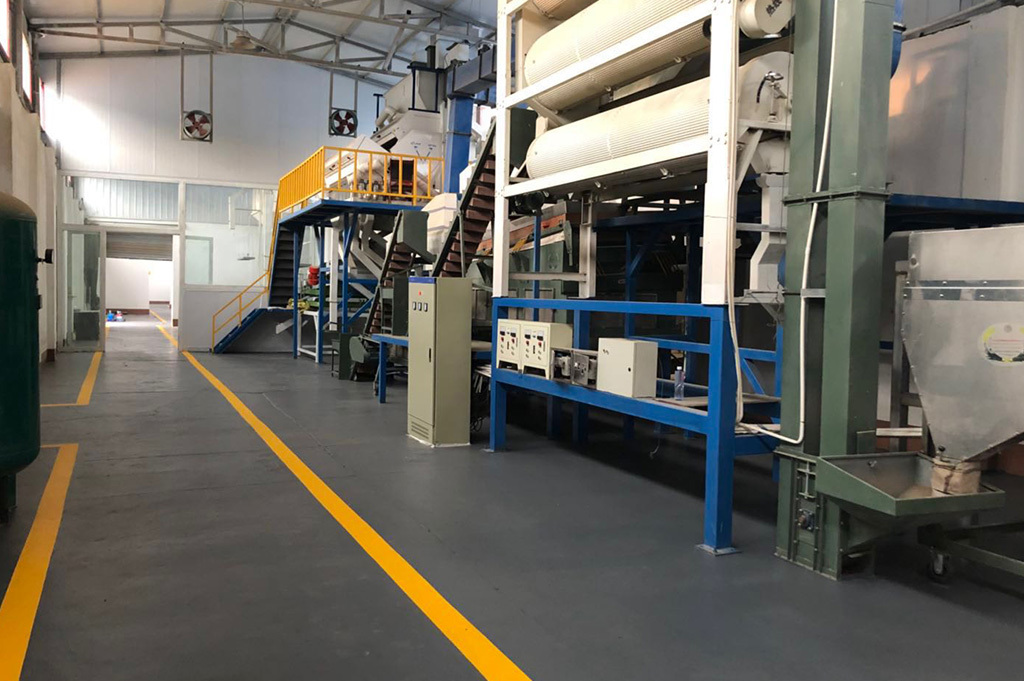
We are a collection of planting, acquisition, storage, processing, export as one of the small grain business enterprises,
The existing planting base is 200000 mu, with an annual production and processing capacity of 20000 tons and an annual sales income of more than 100 million yuan,
The company's annual average export earnings of more than 500 million US dollars, is a provincial and municipal leading export enterprises, China's quality integrity enterprises.
Message feedback
Contact Information
West Gate, Tianzhen County, Datong City, Shanxi Province
